Sylvia Plath’s “Two Sisters of Persephone” as the Opposing Sides of Femininity

Persephone is a liminal figure, evoking the duality of the seasons which, as a result of the pathetic fallacy, we associate with dualities of human nature: light versus dark, warmth versus cold, passion versus frigidity, humanity versus roboticism. In Sylvia Plath’s “Two Sisters of Persephone,” this duality is used to uncover the contradictions inherent in the societal ideal of femininity. Continue reading →

Homeland Recap: 5×09 “The Litvinov Ruse”

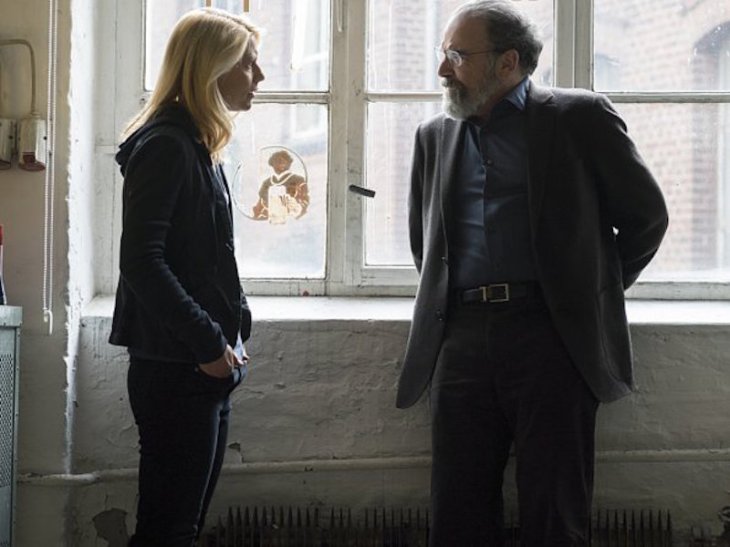
We open with the longest “Previously”s known to man which, as kht rightly complained last week, hammers the “Banana Joe’s” reveal into our heads so hard I now have a concussion. Last week, Allison says Banana Joe’s has the best daiquiris. Carrie sees the bar Banana Joe’s in a picture of Ahmed. She hears Allison say Banana Joe’s has the best daiquiris in voiceover, in case we didn’t just hear it one goddamn minute ago. Okay, okay, Banana Joe’s is important. WE GET IT NOW.

Homeland_509_-_The_Litvinov_Ruse Continue reading →

Emily Dickinson, Zen Buddhism, and Finding Harmony in Dichotomy or: How I Learned to Stop Worrying and Love the Paradox

In his first letter to a young poet, Rainer Maria Rilke mused, “Things aren’t all so tangible and sayable as people would usually have us believe; most experiences are unsayable, they happen in a space that no word has ever entered.” He finds himself confronted with the paradox inherent to most poetry, namely that it aims to express the inexpressible. Continue reading →

ROOM’s Metamorphosis from Feminist Critique to Oscar-fied Inspiration Porn

In the first half of Emma Donoghue’s meticulously psychological Room, the character of Ma is just that—she’s a mother. She’s a near-saintly, self-sacrificing angel who unfailingly thinks of everything and always knows how to make everything better. She’s also not a person in her own right, but that’s the entire point, as the story is told from her five-year-old son’s perspective. To him, she is just “Ma,” because he’s never known her to be anything else. Continue reading →

Euripides + Britney Spears = Feminist Manifesto in Rachel Cusk’s “Medea”

“Why are you watching me? Do you enjoy watching me suffer?… I am all the parts of you that you disown. I take on all of the punishment you abdicate. That’s why you’re here.”

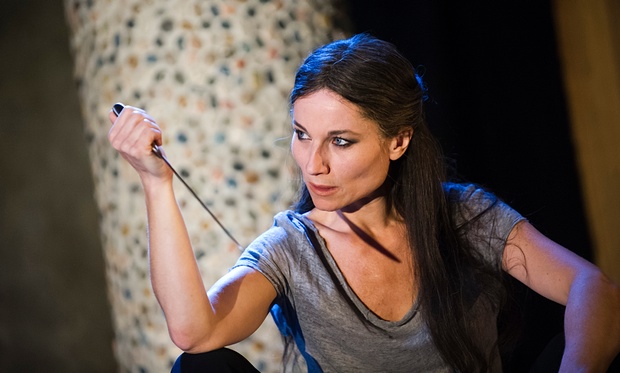
Rachel Cusk’s modern interpretation of Euripides’s classic tragedy is a lot of things—consistently compelling, politically engaged, extremely loud—but subtle it is not. While I am nothing if not a fan of tendentiously feminist literature, sociopolitical themes are much more effective when they are a little more subliminal. In Medea, characters break the fourth wall to explicitly implicate the audience in Medea’s taboo desire to murder her children not once, but twice, and the lack of delicacy dilutes the play’s worthy message. Continue reading →

The Affair 2×02: When a Destitute Man Meets a Lifetime Movie Villain

alison

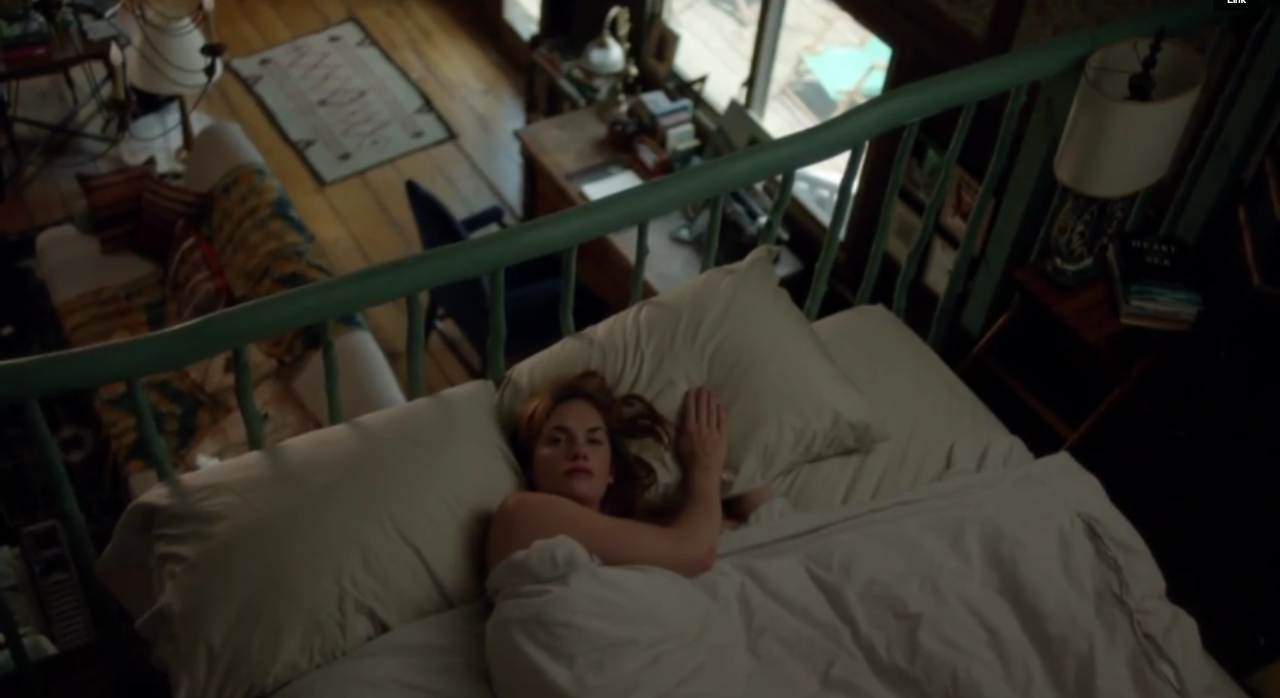
We open on Alison waking up alone in Noah’s bed, right after her perspective is introduced as “Part Three,” which establishes this episode as a direct companion to the premiere. I wonder if this season will continue to tell four-part narratives, or whether some stories will only be told from two characters’ perspectives. In spite of the lackluster quality of this episode, I thought exploring this day from four different viewpoints allowed for richer and more challenging storytelling, especially since several scenes in this episode dropped hints about whether Noah or Helen’s accounts were closer to the truth (hint: it’s literally never Noah), but we’ll get to that.

Waking up alone is never symbolic of anything good, let's just put it that way.

Waking up alone is never symbolic of anything good, let’s just put it that way.

Continue reading →