The best books we read in 2016

Janes

Sons and Lovers by D.H. Lawrence

n114498

I’ll be honest: I expected to hate Sons and Lovers. I wanted to finally read D.H. Lawrence for the first time, but a 19th century novel about a young man who is emotionally stunted by his overbearing mother sounded far too pseudo-Freudian for my taste. But I was surprised to find that within the first fifty pages, all of the characters were meticulously drawn at a nearly Jamesian level of psychological nuance, and that the “overbearing mother” was the most sympathetic and fascinating character of the piece. Sons and Lovers is, ostensibly, the story of a young man’s coming-of-age, but really, it’s a story about the fallibility of family bonds, in which they are as fragile yet sticky as strands in a spider web.

Acquired: at a flea market in Iceland, where Sons and Lovers was the only Lawrence novel they had. Continue reading →
The Gilmore Girls Revival Rewrote Rory as a Truly Damaged Human Being

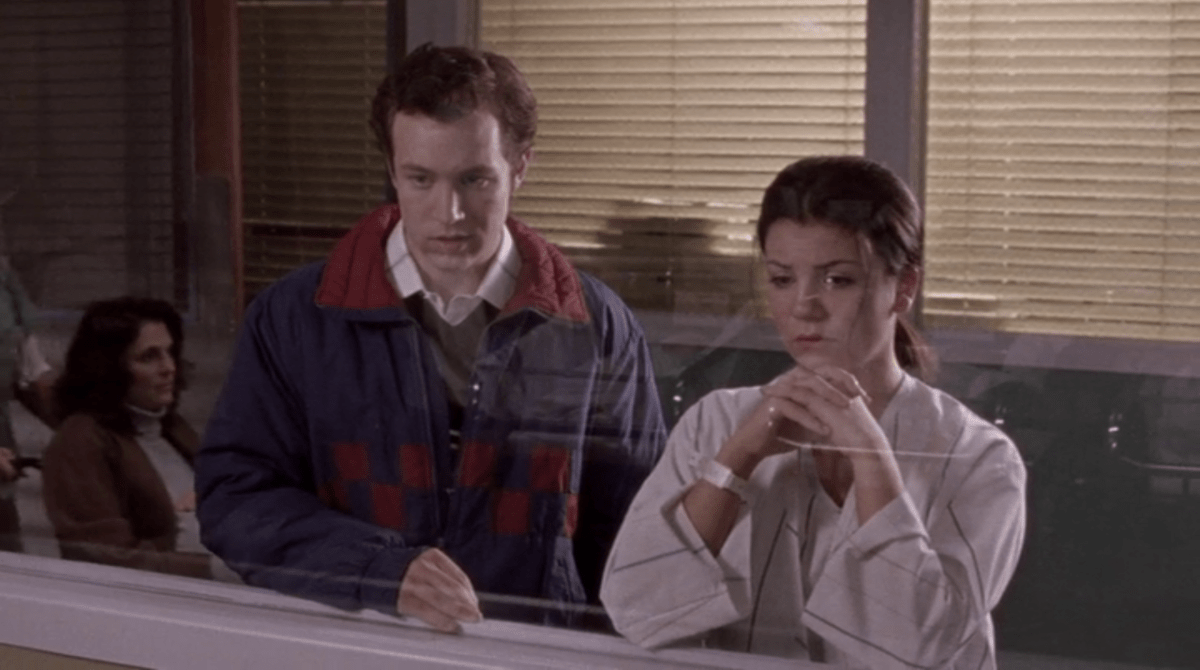
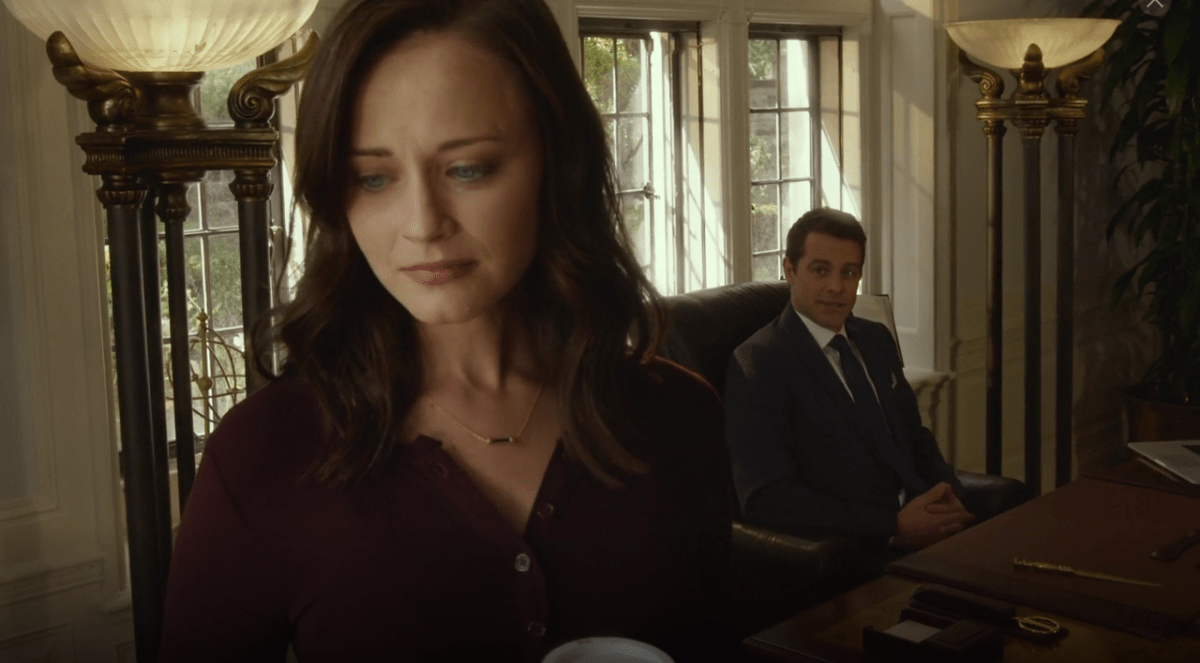
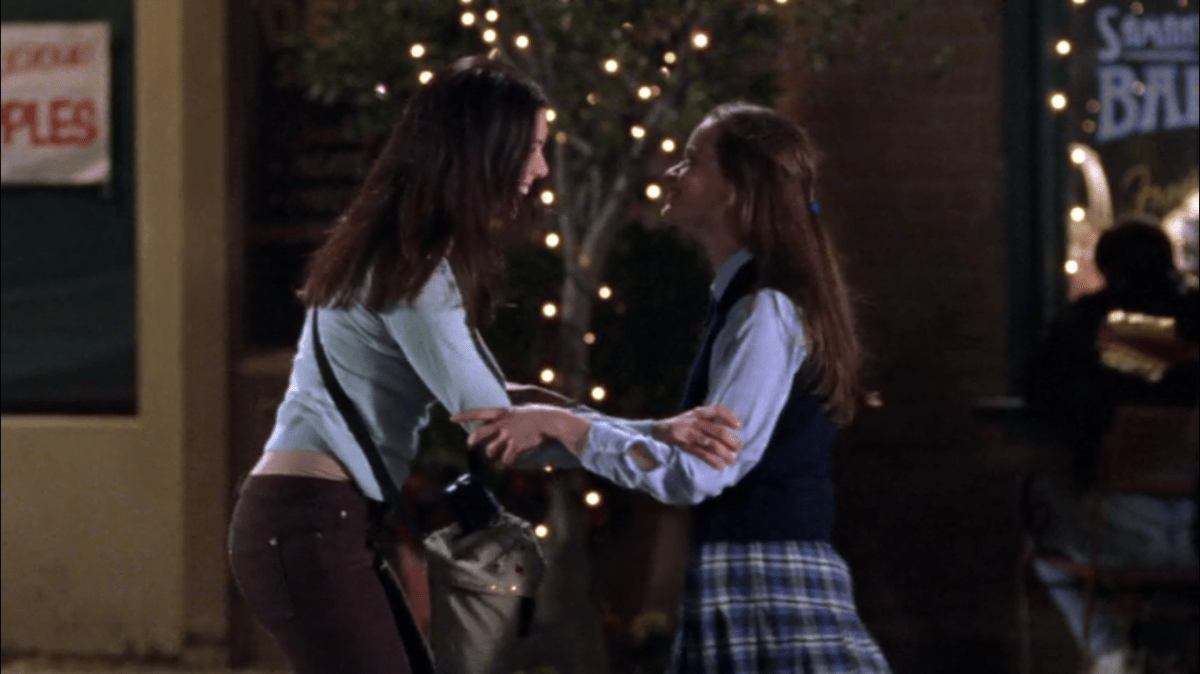
After over a year of anticipation (or a decade, depending on how you want to look at it), the Gilmore Girls revival is finally here. We’ll give you our full thoughts on Rory’s love life, Lorelai’s Wild adventure, Emily’s “bullshit,” and those final four words very soon, but until then, let’s talk about the best scene of the revival, which was–somewhat unexpectedly–between Rory and Chris. The scene only lasts four minutes, but it perfectly encapsulates the relationship between the two characters, and finally acknowledges what a broken little soul Rory really is.

SPOILERS AHEAD! Continue reading →

The Best Gilmore Girls Episodes of All Time (Until the Revival [Maybe])

Cinnamon’s Wake (Season 1, Episode 5)

Nerdy Spice: This episode is a close second in my heart after “Love, Daisies and Troubadours.” The episode revolves around the death of a beloved neighborhood pet, Babette’s cat Cinnamon, so Stars Hollow quirk is on full display as everyone from Luke to Sookie helps out with the wake. But the real magic is in Rory and Dean’s budding romance. Rory couldn’t be cuter when she panics and yells to the bus driver that Dean needs to get off, because the bus is going to Hartford. “You’re forgetting something. Buses have stops,” he teases her as he leaves her in complete, rolling-eyes-at-self confusion. Then, when her shyness starts to seem like disinterest, it takes him promising to leave her alone before she finally works up the courage to announce that she is interested… and then panic and run away. Dean clearly thinks it’s adorable, and I agree. Continue reading →

A Running List of Clichés in Jonathan Safran Foer’s “Here I Am”

Jonathan Safran Foer’s latest, Here I Am, has received decidedly mixed reviews, and with good reason. While there are flashes of insight here and there, the struggles of the central family are fairly trite, and considering that Foer is regarded as one of the foremost literary novelists writing today, the prose is riddled with clichés. Here is the first installment of my running list documenting the most cringeworthy lines, from pretentious pontificating about the fact that “aloneness isn’t loneliness” (duh) to awkwardly sexist characterizations of teenage girls. Continue reading →

“The Ruined Garden” by Charles Baudelaire

My childhood was only a menacing shower,
cut now and then by hours of brilliant heat.
All the top soil was killed by rain and sleet,
my garden hardly bore a standing flower.

From now on, my mind’s autumn! I must take
the field and dress my bed with spade and rake
and restore order to my flooded grounds.
There the rain raised mountains like burial mounds.

(Translation of “L’Ennemi” by Robert Lowell)

In Seven Seasons, Gilmore Girls Never Said the Word “Abortion”

When Gilmore Girls came out in 2000, young women were in desperate need of positive female role models. In an era when society designated the explicitly post-feminist Ally McBeal as the show that best articulated the internal conflicts of women (it didn’t), Lorelai and Rory Gilmore were godsends. Intelligent, funny, quick-witted, independent, well-read, and wholly original, they fulfilled a hunger for well-rounded female characters who had their own dreams, goals, and opinions separate from the men in their lives.

The groundbreaking nature of the main characters and the focus on female relationships made one uncomfortable fact much easier to miss: Gilmore Girls is not particularly feminist. It might be considered feminist for the time period, when stacked against actively misogynistic shows like Ally, but on the whole, it doesn’t even achieve the “flawed but as feminist as we could expect for the time” status, like Buffy the Vampire Slayer. It had a disquieting penchant for gay panic, slut-shaming, and casual racism (which I will explore in depth in another post), and when it wasn’t being politically incorrect, it was often pointedly apolitical. Case in point: Gilmore Girls is a show about teen motherhood that literally never utters the word “abortion.” Continue reading →

Lorelai and Rory Were Geniuses for Going to Luke’s Every Morning

When I re-watch Gilmore Girls every month or so, I’m always reminded of a few pet peeves. In addition to the obvious–Rory getting into Harvard, Princeton, and Yale with almost no extracurriculars, Dave’s unceremonious disappearance, everything having to do with Logan and that stupid Birkin bag–I always think to myself, “How on Earth do Lorelai and Rory always have an entire day before I would even be awake?” Continue reading →

“Don’t Breathe” and the Power of Women

In a disappointing summer for movies, and especially genre movies, Don’t Breathe is a refreshing change of pace (I refuse to say “breath of fresh air”). It’s innovative, elegant, pleasingly nasty, and most of all subversive, when too many recent horror movies are all-too-familiar.

Critics have agreed that one of the film’s biggest selling points is its ability to subvert horror tropes in simple yet effective ways. It’s a home invasion movie in which the invaders are terrorized rather than the other way around. It stars a blind man who isn’t a victim or a wise sage, but a bad-ass ninja. It defies expectations at every turn–with one notable exception.

HUMONGOUS SPOILERS FOLLOW!

Continue reading →

Changing

“It seems to me that almost all our sadnesses are moments of tension, which we feel as paralysis because we no longer hear our astonished emotions living. Because we are alone with the unfamiliar presence that has entered us; because everything we trust and are used to is for a moment taken away from us; because we stand in the midst of a transition where we cannot remain standing. That is why the sadness passes: the new presence inside us, the presence that has been added, has entered our heart, has gone into its innermost chamber and is no longer even there, is already in our bloodstream. And we don’t know what it was. We could easily be made to believe that nothing happened, and yet we have changed, as a house that a guest has entered changes.

We can’t say who has come, perhaps we will never know, but many signs indicate that the future enters us in this way in order to be transformed in us, long before it happens.

And that is why it is so important to be solitary and attentive when one is sad: because the seemingly uneventful and motionless moment when our future steps into us is so much closer to life than that other loud and accidental point of time when it happens to us as if from outside.” – Rainer Maria Rilke, Letters to a Young Poet