The best books we read in 2015

Janes:

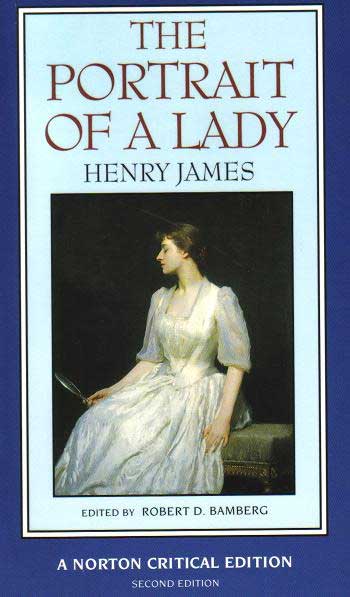
The Portrait of a Lady

Henry James
69-a-Portrait-of-a-Lady

No one delves into a character’s psychology quite like Henry James, and in Isabel Archer, he found a protagonist more than worthy of his meticulous deconstruction. She’s a formidable intellectual who doesn’t see the value in intellectual pursuits, she’s an idealist who isn’t quite sure what her ideals are, she’s an independent who is completely and utterly controlled by the malignant, vicious people in her life. She has a complex, distinctive personality and an indomitable will, all of which is systematically broken down by a small man with “exquisite taste.” It’s as tragic as it is insightful, sensitively portraying the experience of patriarchal oppression through the eyes of a woman who is determined to “behave picturesquely.”

Acquired: through kht, who warned me I would relate to the protagonist to an uncomfortable extent. I’ve thrice been told that I am like Isabel Archer, once as a lament, once as a compliment [To be clear, this was me –kht], and once as a scathing criticism. Only a Henry James character could find so many different ways to be relatable to a real person’s life.


Continue reading →

ROOM’s Metamorphosis from Feminist Critique to Oscar-fied Inspiration Porn

In the first half of Emma Donoghue’s meticulously psychological Room, the character of Ma is just that—she’s a mother. She’s a near-saintly, self-sacrificing angel who unfailingly thinks of everything and always knows how to make everything better. She’s also not a person in her own right, but that’s the entire point, as the story is told from her five-year-old son’s perspective. To him, she is just “Ma,” because he’s never known her to be anything else. Continue reading →

Although Of Course You End Up Becoming Someone Else: A Review of ‘The End of the Tour’

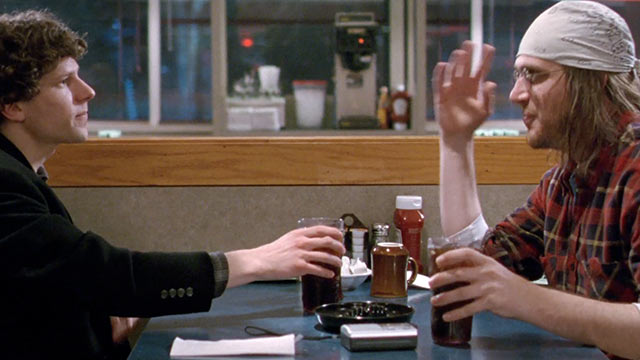
The End of the Tour was never going to escape the David Foster Wallace mystique; the famously expansive author has become paradigmatic of the “tortured artist,” to the point that his literature is now almost inextricable from the tragedy surrounding his life and death. He was (it already seems hard to remember) a flesh-and-blood man, but for better and for worse he embodies an archetype in American culture: the misunderstood genius, the voice of an alienated generation, the lotus flower who was too pure to stay mired in the crudities of this world for very long.

Continue reading →