The Ethics of The Game: How The Big Short Can Teach Us To Appreciate Mockingjay

As a 2008 college graduate who entered adult life in the middle of the country’s downward spiral into recession, I found The Big Short extremely depressing. In its detailed depiction of the machinations of the collapse, it reminded me at every turn of how much misfortune and fear were suffered by regular Americans due to the greed and blindness of the self-declared “best and brightest.” And its sardonic portrayal of how the system righted itself and kept going, without any significant reform, while everyone else suffered, reminded me of the great disappointment of the bailout. Reforms were gutted, while the banks deemed “too big to fail” got rescued with almost no consequences to themselves. Meanwhile, individuals all over the country got evicted. Filed for bankruptcy. Lived in fear.

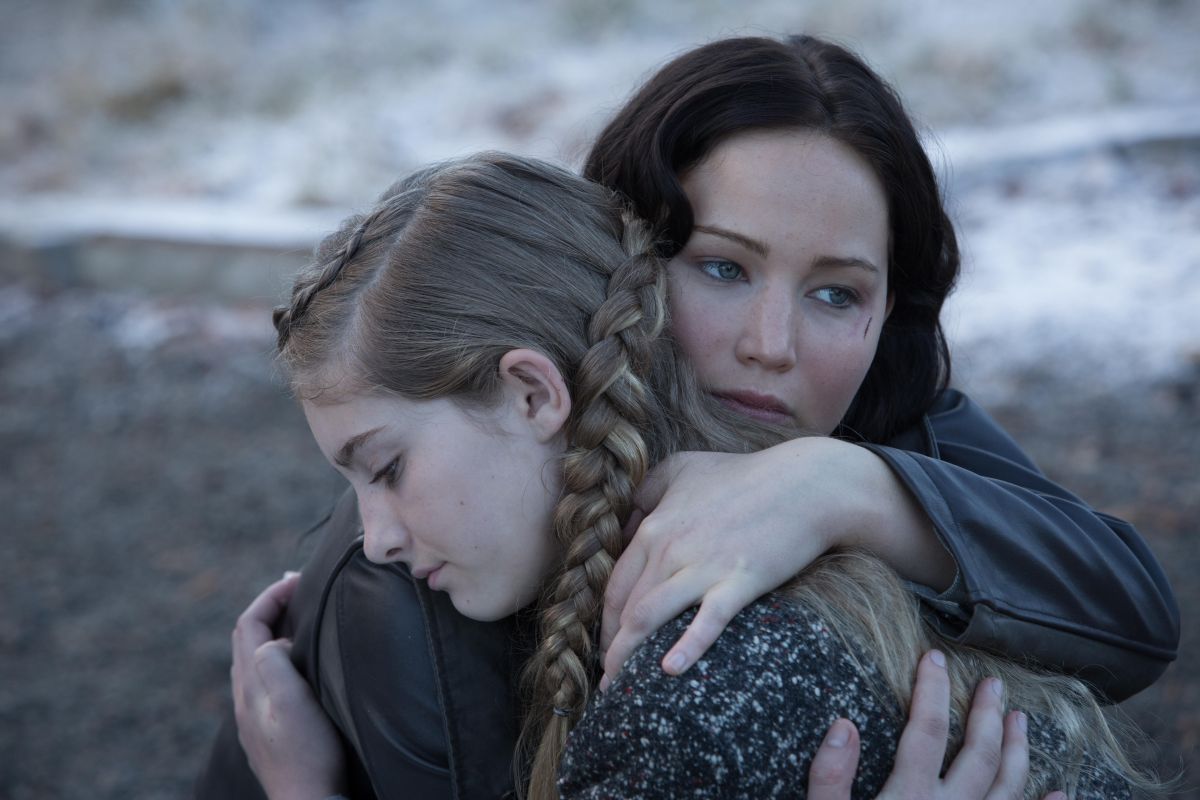
The Big Short examines a slice of this vast injustice, but from a point of view so narrowly focused that it risks celebrating the exact culture it’s critiquing. Meanwhile, The Hunger Games—seemingly so removed from such pragmatic issues as credit default swaps—presents a luminous alternative to the shortcomings of The Big Short.

Fair warning: I’m going to assume everyone has had a chance to see these movies if they’re going to, and discuss them in full beneath the cut.

Continue reading →

88 Thoughts I Had While Watching The Revenant

The Revenant is one of the most visually resplendent films I’ve ever seen, capturing the wilderness of the early 19th century Louisiana Purchase with an almost painful loveliness and staging its unrelenting violence with confidence and restraint. Unfortunately, beneath the flashy visuals and exemplary performances lies a boilerplate revenge story that is empty of heart, soul, and psychological insight. Cinematography aside, it plays like a particularly sophomoric superhero movie, explicitly stating its (exceedingly trite) themes left and right and eschewing any meaningful character development for the sake of a gratuitously satisfying kill shot.

(It also doesn’t help that there were no female characters of consequence. What can I say? I get bored in movies where women get raped and killed but don’t get to speak.)

Continue reading →

The 100 Recap: 3×03 “Ye Who Enter Here”

SPOILERS FOLLOW!

It’s the third episode of the season, and already the status quo has been upended in more ways than one. In an action-packed yet thoughtful episode, Clarke tries to kill Lexa, which somehow leads to the Sky People becoming Grounders, we finally meet the Ice Queen, and everyone sort of gets blown up, as tends to happen on this show.

And then they had to ruin it all by egregiously fridging a certain one-dimensional female character, but believe me, we’ll get to that. Continue reading →

Sylvia Plath’s “Two Sisters of Persephone” as the Opposing Sides of Femininity

Persephone is a liminal figure, evoking the duality of the seasons which, as a result of the pathetic fallacy, we associate with dualities of human nature: light versus dark, warmth versus cold, passion versus frigidity, humanity versus roboticism. In Sylvia Plath’s “Two Sisters of Persephone,” this duality is used to uncover the contradictions inherent in the societal ideal of femininity. Continue reading →

ROOM’s Metamorphosis from Feminist Critique to Oscar-fied Inspiration Porn

In the first half of Emma Donoghue’s meticulously psychological Room, the character of Ma is just that—she’s a mother. She’s a near-saintly, self-sacrificing angel who unfailingly thinks of everything and always knows how to make everything better. She’s also not a person in her own right, but that’s the entire point, as the story is told from her five-year-old son’s perspective. To him, she is just “Ma,” because he’s never known her to be anything else. Continue reading →

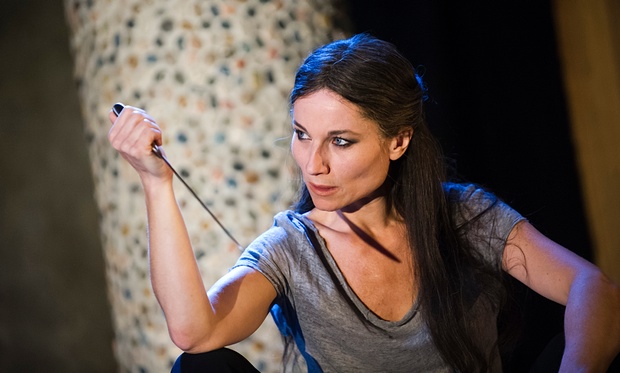
Euripides + Britney Spears = Feminist Manifesto in Rachel Cusk’s “Medea”

“Why are you watching me? Do you enjoy watching me suffer?… I am all the parts of you that you disown. I take on all of the punishment you abdicate. That’s why you’re here.”

Rachel Cusk’s modern interpretation of Euripides’s classic tragedy is a lot of things—consistently compelling, politically engaged, extremely loud—but subtle it is not. While I am nothing if not a fan of tendentiously feminist literature, sociopolitical themes are much more effective when they are a little more subliminal. In Medea, characters break the fourth wall to explicitly implicate the audience in Medea’s taboo desire to murder her children not once, but twice, and the lack of delicacy dilutes the play’s worthy message. Continue reading →

Juliette Barnes and the Tyranny of Motherhood

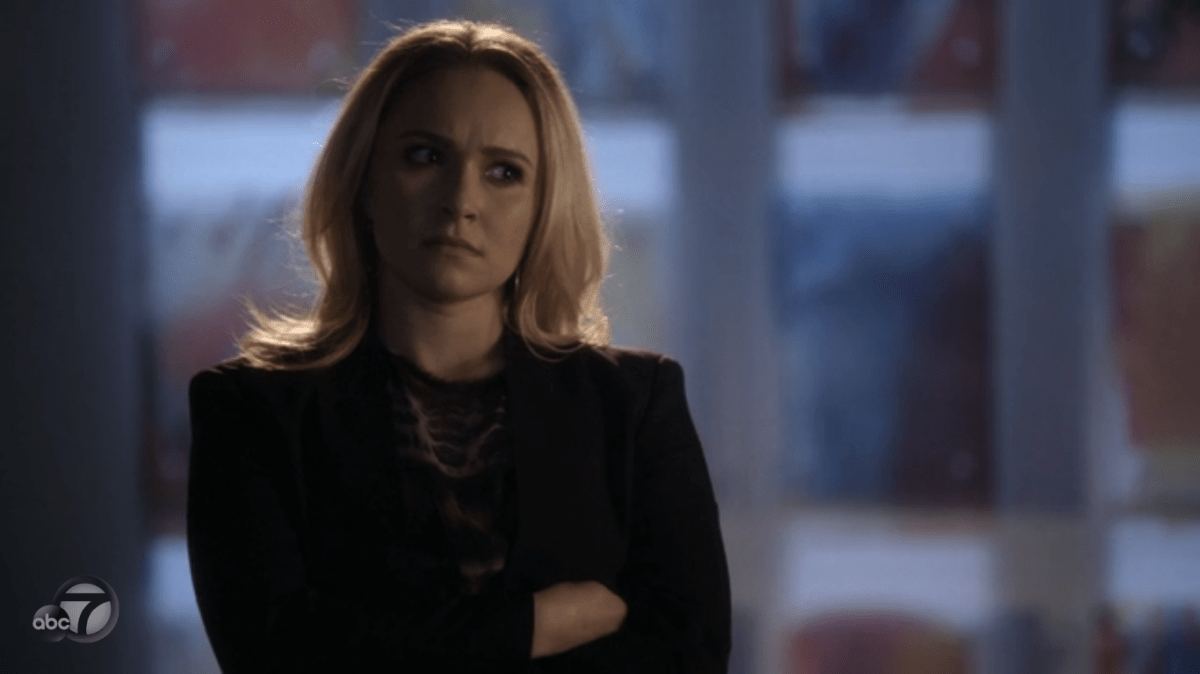
Near the end of the third and most recent season of Nashville, Hayden Panettiere’s spoiled country-pop star character, Juliette Barnes, gives birth to a child and with wanton cruelty names her “Cadence.” And it’s all downhill from there, in terms of parenting quality. From the moment she leaves the hospital with her newborn, Juliette approaches her with the gritted-teeth, grimacing smile of a terrified woman, and refuses in ever more flamboyant ways to inhabit the persona of mother at all. Continue reading →