Links We Loved This Week — 5/27/16

At We Minored in Film, Kelly Konda writes about the women involved in Neighbors 2: Sorority Rising who made it surprisingly feminist — including Chloe Grace Moretz herself.

Mario Vargas Llosa published an excellent essay on the value of literature at the New Republic. Yes, a million essays have been published on this topic. But few of them were by Nobel prize winners who have written so generously and expansively about the human condition as Vargas Llosa, who writes:

Literature says nothing to those human beings who are satisfied with their lot, who are content with life as they now live it. Literature is the food of the rebellious spirit, the promulgator of non-conformities, the refuge for those who have too much or too little in life.

Vulture writes about how The Mindy Project responded to critiques of its representation with the “Coconut” episode — and how Unbreakable Kimmy Schmidt didn’t quite respond as well.

Nashville ended this week, presumably, though the #bringbackNashville campaign is still going strong on Twitter. (It also ended on a cliffhanger, with an alternate happy ending filmed just in case, and Lionsgate sounds very confident it will come back on another platform.) The Internet bid it a contingent goodbye with some fun thought pieces:

Links We Loved This Week — 5/20/16

Katherine Dunn, author of Geek Love, died last week, so this is a bit late, but Vogue reprinted a magnificent essay by Dunn on the bad girl. “Women who pay their own rent don’t have to be nice,” Dunn wrote. “They can afford to be real.”

The Belle Jar has A List Of Things In Literature, Music and Art That Are Actually Metaphors For Women, including “The sea is a good metaphor for women because it’s always wrecking shit that men love” and “Look, I don’t know who decided that cats are feminine and dogs are masculine, but someone did and that idea has stuck and now we all just have to live with it.”

At LA Review of Books, Graham Daseler writes about whether there has ever been a truly great Hollywood Novel.

The Times Literary Supplement writes about the benefits of pretentiousness: “cultural eclecticism, and an attendant willingness to take risks even if it makes one look foolish or over the top, has always been an essential driving mechanism in the arts.”


Links We Loved This Week — 5/6/16

In the LA Review of Books, GD Dess holds up the failure of Purity as evidence that Jonathan Franzen is part of kitsch culture.

The tale at this juncture finally transmogrifies from a so-called realistic social novel into a novel of what James Wood has called “hysterical realism,” in which the conventions of realism are not abolished but, “on the contrary, exhausted, and overworked.” …Franzen has abdicated his writerly duty, and this dereliction demonstrates a certain authorial contempt for his readers.

Turns out Walt Whitman was really into “manly health” and cutting down on carbs way before it was cool.

Person of Interest executive producer Jonathan Nolan doesn’t just believe that Facebook will destroy the world, he takes it as a given (via AV Club):

A lot of things that Samaritan espouses are believed by the people who work for Samaritan, the same way that I’m sure people who work for Facebook don’t believe that they’re working for the company that will destroy the world. But, you know, they are. And everyone gets through the day rationalizing their own existence.


As you may know, The Good Wife will have its final episode this Sunday. Here are some of the best articles and interviews making sense of its incredible first few seasons, and (by almost all accounts) its struggling seventh:

  • Alan Sepinwall at HitFix takes a look at The Good Wife as the last prestige network drama. “no show has dealt with the struggle to defy societal expectations and keep one’s feelings under tight wraps as often, or as well, as The Good Wife,” he writes. (Ignore the part where he says that Parenthood was a rival for this show. I just watched the whole thing. It wasn’t.)
  • Salon jumps on the “there will never be a great broadcast drama after The Good Wife” bandwagon.
  • At the New York Times, Christine Baranski has a very surprising favorite scene from the show; Michael J. Fox and other cast members also weigh in.
  • Also in the NYT, James Poniewozik writes a good-bye-Good-Wife article notable for describing Jason as a “laconic, bearded sex cowboy.”
  • The Kings looked back at the show. Robert King says, “On our show, no one’s really shooting at each other. Their words are the guns.”

Links We Loved This Week – 4/29/16

The AV Club wrote a fantastic article on how the Good Wife broke all the rules of TV legal dramas, and then broke itself. Also, the NYT did a great interview with Julianna Margulies and the Kings – though they got quickly shut down when they asked about Archie Panjabi!

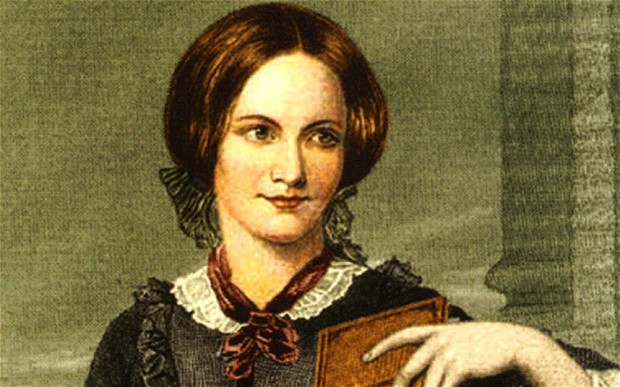
Last week was Charlotte Bronte’s 200th birthday (read our piece on Villette here). Electric Literature ran an interesting piece (that we VEHEMENTLY disagree with) on rereading Jane Eyre and finding it somewhat less awesome.


We saw The Huntsman: Winter’s War last Friday. We were all really excited for it, and at least one of us was also pretty drunk, but we HATED it. Here are some takes from around the web:

Gizmodo says, “The fact that we get to see this pointless, silly movie made with an A-list cast… is one of the great marvels of our age.”

The Mary Sue laments that it’s “generic white male hero number eleventy five million.”

The Atlantic mourns the “bizarre camp classic that almost was.”